
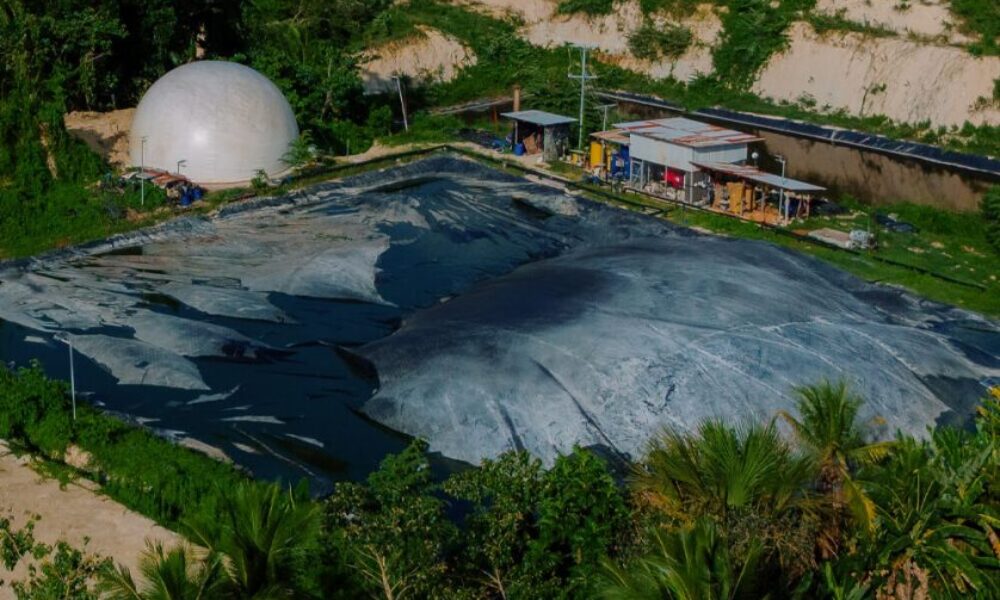
Livestock farms are increasingly turning to biogas technology as a practical way to manage animal waste while producing renewable energy. By collecting manure and other organic materials in specially designed digesters, farms can generate biogas that can be used for cooking, heating, electricity, or other farm operations. This approach gives agricultural waste a useful purpose instead of allowing it to accumulate and create environmental problems.
Biogas is produced through a natural process called anaerobic digestion, where microorganisms break down organic waste in an oxygen-free environment. The process releases methane-rich gas that can be captured and used as an energy source. At the same time, the remaining material can be processed into nutrient-rich fertilizer, allowing farmers to gain additional value from livestock waste.
The technology can also help farms reduce their environmental impact. Properly managed biogas systems can limit odors, improve waste handling, and capture methane that might otherwise escape into the atmosphere. For farms that regularly generate large amounts of manure, converting waste into energy can also reduce dependence on conventional fuels and potentially lower operating expenses over time.
As interest in renewable energy and sustainable agriculture continues to grow, biogas offers farmers a way to combine waste management with energy production. While installation costs, maintenance, and technical requirements remain important considerations, wider adoption of biogas systems could help farms become more resource-efficient while turning everyday livestock waste into a valuable source of energy.